- Sheridan, Wyoming, US
- [email protected]

- Call Us Anytime+123 (4567) 890
- Email Us[email protected]
- Opening HourMon - Sat 8:00 - 6:30, Sunday - CLOSED







Get latest update for our trusted applications

Healthcare & Hospitals


Clinicians should be treating patients, not chasing paperwork.
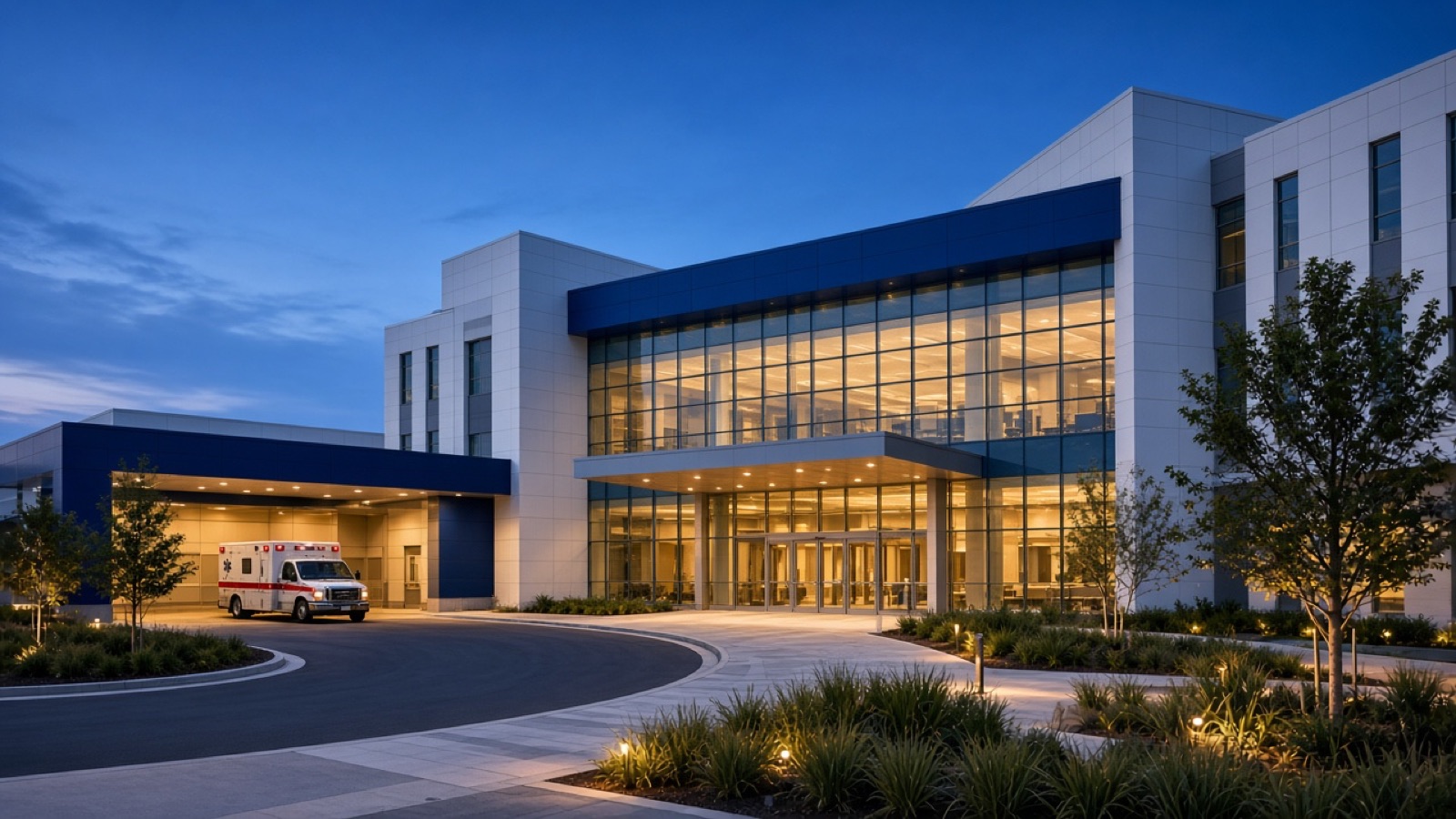
We work inside Yashoda Group hospitals, which has taught us where healthcare value actually sits. Almost never in clinical decision support, almost always in the administrative burden surrounding care: scheduling, records, claims, follow-up and patient communication.
−82%
admin timeHandling time on records and intake
−38%
no-showsAppointment non-attendance reduction
+22%
throughputOutpatient capacity from better scheduling
The clinic running at 78% capacity with a three-week waiting list.
A hospital outpatient department had a three-week wait and empty chairs. Non-attendance ran near a quarter of booked slots, and because cancellations arrived by phone during clinic hours, nobody had time to backfill them. The waiting list and the idle capacity coexisted, which is the most frustrating shape a problem can take.
The intervention was unglamorous. Predict non-attendance per booking from history, distance, appointment type and lead time. Confirm and rebook automatically by voice and message in the patient's language. Maintain a standby list that can be filled within the hour. Overbook only the slots where the model is confident.
Non-attendance fell 38%, throughput rose 22% and the waiting list shortened without a single additional clinician. We never touched a clinical decision.
They resisted every suggestion to build clinical AI and fixed our clinic capacity instead. That was the right call.
Six administrative burdens worth removing first.
We work on the operations around care. Clinical decision support requires a regulatory pathway we will discuss honestly rather than skirt.
Scheduling & no-show reduction
Predict non-attendance, confirm and rebook automatically, maintain standby lists and overbook selectively where the model is confident.
Records & coding automation
Extract structured data from referrals, discharge summaries, lab reports and scanned notes, with citation to the source document.
Patient communication agents
Appointment reminders, preparation instructions, follow-up checks and result notifications by voice and message in the patient's language.
Claims & billing automation
Insurance eligibility, claim preparation, denial prediction and resubmission workflow to reduce leakage and days in receivables.
Patient flow & capacity analytics
Bed, theatre and diagnostic capacity forecasting with bottleneck analysis, so scheduling decisions rest on data rather than on habit.
Compliance & safety monitoring
Hygiene compliance, restricted-area access and equipment checks verified continuously using existing camera infrastructure, anonymised by design.

What changes in a hospital's operations.
Each of these is written into the engagement as a number with an owner, a baseline and a review date.
OUTCOME 01
Capacity appears without capital spend
Reducing non-attendance and improving scheduling recovers clinic and theatre capacity that already exists — the cheapest form of growth available to a hospital.
OUTCOME 02
Clinicians get time back
Automating documentation, coding and correspondence returns hours to clinical staff, which shows up in both throughput and retention of scarce specialists.
OUTCOME 03
Revenue leakage closes
Eligibility checking, claim preparation and denial prediction reduce write-offs and shorten receivable cycles, which improves cash without touching pricing.
Built for a clinical environment.
- Integration with your HIS, EMR, LIS and billing systems
- Consent, purpose limitation and data residency enforced in the platform
- Anonymisation and minimisation applied before any model sees data
- Human review on any output that touches a clinical pathway
- Complete audit log for every automated administrative action
- Monthly value reporting on capacity, admin hours and revenue leakage
The engineering underneath.
Numbers from work already in production.
Measured against the baseline agreed with the client before the engagement started.
−38%
Appointment no-showsPrediction plus automated rebooking
+22%
Outpatient throughputNo additional clinical headcount
−27%
Claim denialsDenial prediction and preparation workflow
What clinical and administrative leaders ask.
- 01. Do you build diagnostic AI?Rarely, and never casually. Diagnostic tools carry a regulatory pathway and a liability profile that most hospitals are not resourced to carry. We will tell you what that pathway involves rather than quietly building a medical device.
- 02. How do you protect patient data?Data stays in your infrastructure and jurisdiction, minimisation and anonymisation are applied before modelling, and consent and retention rules are enforced in the platform rather than in a policy document.
- 03. Can this work with our older hospital system?Yes. Much of our healthcare integration is with systems that predate modern APIs, using HL7, database-level integration or document ingestion where necessary.
- 04. Will clinicians have to change how they work?As little as possible. Our design goal is that documentation and administration change while clinical workflow stays intact, because clinician adoption is the constraint on everything else.
Where to go next.

Show us your no-show rate. We will show you the capacity you already own.
The assessment reviews scheduling, records handling and claims performance, then quantifies the capacity and cash recoverable without additional headcount.